
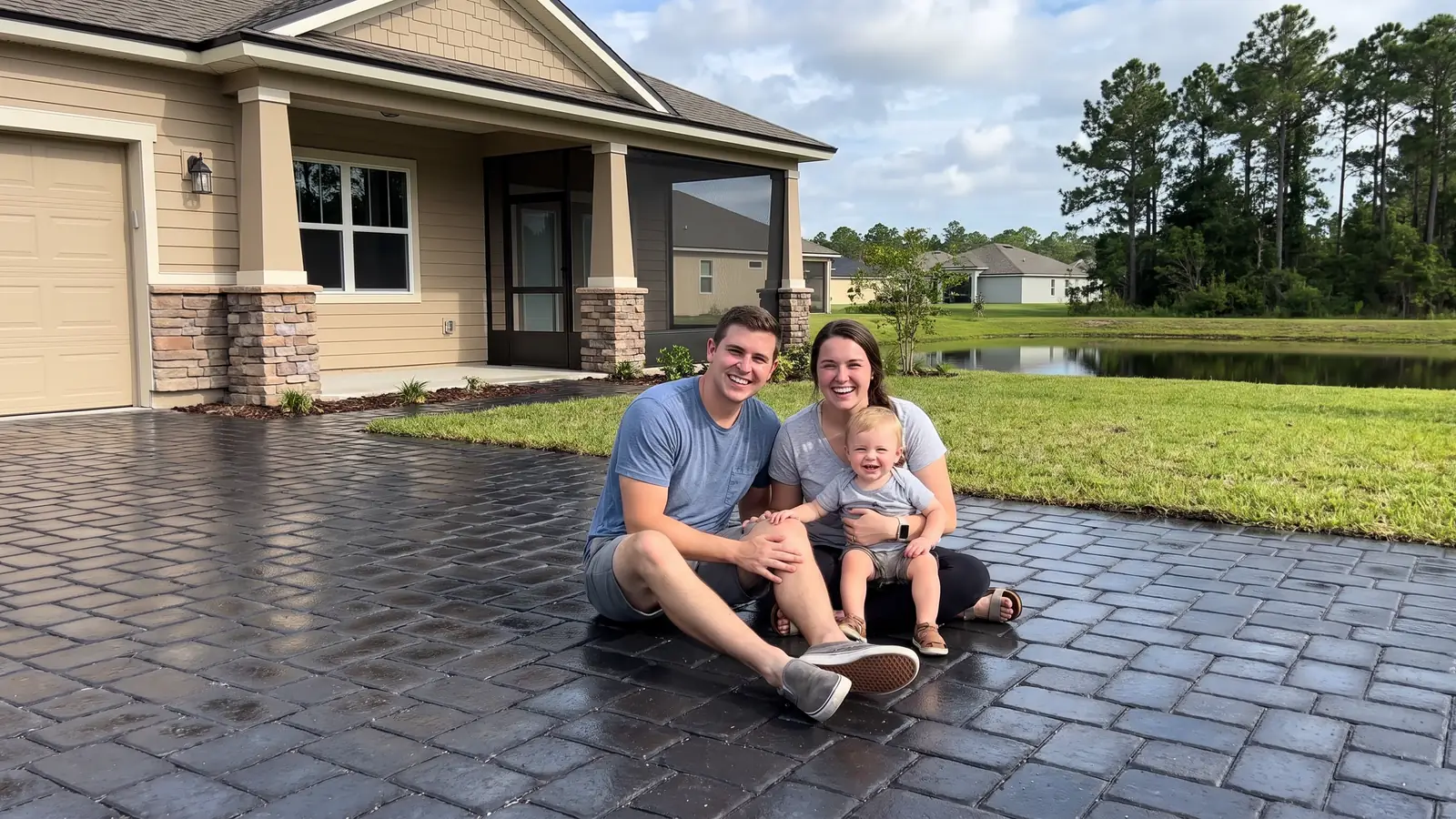
Paver sealing for Panama Park homes
Paver Sealing in Panama Park, FL
Many Panama Park lots were planned with 25-foot front yards, so walks run long; call (904) 467-7129.
- Brings out deeper paver color
- Fresh joint sand helps lock pavers in place
- Gives weeds less room to grow
- Makes the surface easier to keep clean
- Free estimate, no obligation
Request a Free Estimate
Free, no obligation.
Fast, careful paver sealing in Panama Park
Paver sealing is open to Panama Park homes, from the blocks near Buffalo Avenue to the streets off North Main. A local contractor cleans, re-sands and seals front walks, driveways and patios, with a free estimate and no obligation. Questions before you book are welcome too. Call (904) 467-7129 and expect a reply to your Panama Park request within 1 business day, usually much sooner.
Think of a long front walk with brown leaf marks, grass in the seams and a sunken spot by the street. After a wash, a reset, new joint sand and a fresh coat, the whole run reads clean from the curb to the door, and the color looks even again. To find out what that costs for your Panama Park home, ask for your free estimate.
Why hire a local paver sealing contractor in Panama Park?
Panama Park lots were laid out with deep front yards and lined with trees, so paver work here often means long runs and leaf stains. To get a free look from a contractor who knows the Northside, ask for your free estimate.
Free, and no strings
A local contractor looks over your Panama Park walk, driveway or patio and gives a price before any work is agreed.
The regional price range
Northeast Florida companies commonly publish $1.75 to $3.25 per square foot to clean, sand and seal. Measure any Panama Park bid against that range.
Pick the shine you want
Matte stays natural and suits shade, semi-gloss adds some color, and a wet look shines most but shows scuffs sooner.
You make the final call
You choose the date, the finish and whether to go ahead at all. A Panama Park estimate never locks you in.
Get Your Free Estimate in Panama Park
Tell us about your pavers in Panama Park.
Free, no obligation
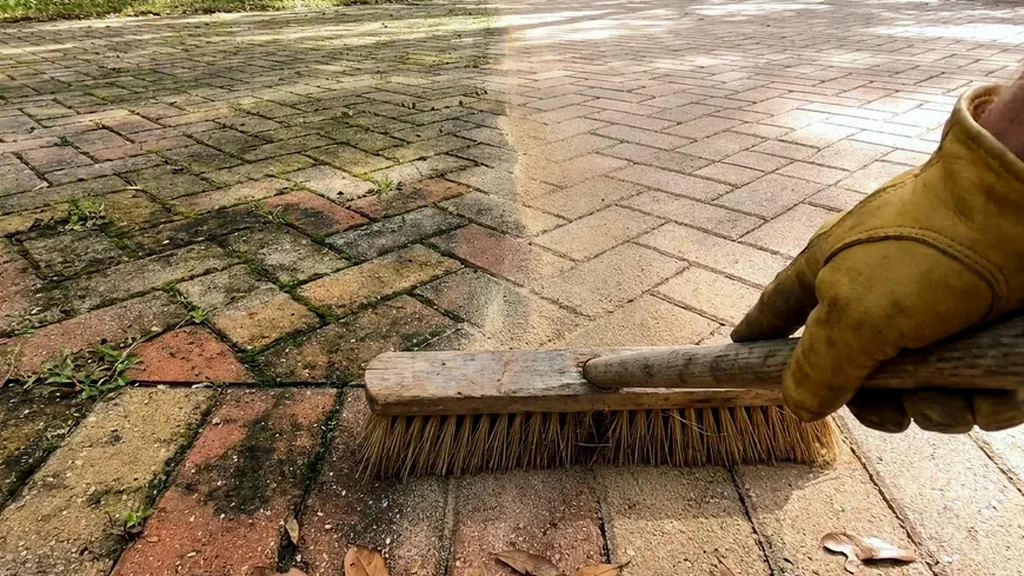
What paver problems show up most in Panama Park?
Long runs from the street to the door
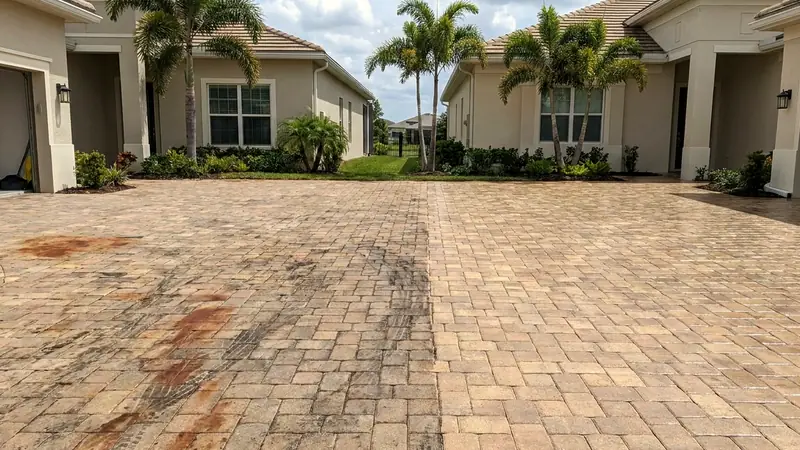
When George W. Clark planned Panama Park as a railroad suburb in 1905, his rules called for 25-foot front yards. A walk or driveway that crosses a yard that deep has a lot of joints to keep full. Each joint that loses sand is a place for soil and weeds to settle, so a long run shows wear in more places. Refilling and sealing every joint is what keeps the whole length tidy from the curb to the steps.
Leaf stains from old street trees
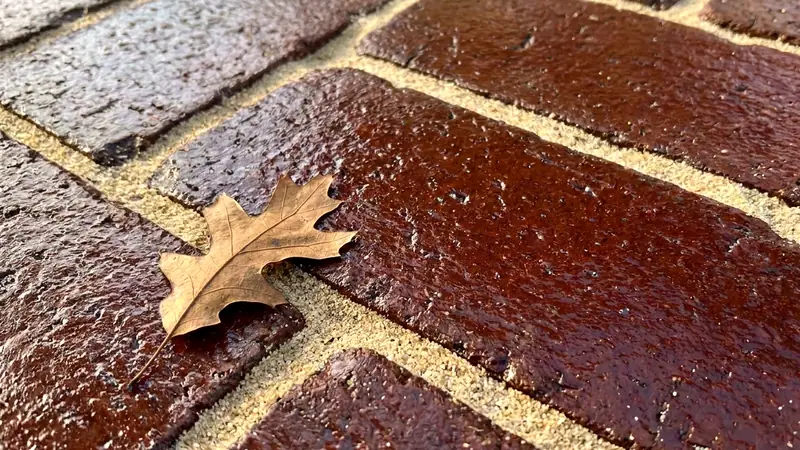
Early promoters said more than 8,000 trees lined Panama Park's streets, from magnolias and oaks to cedars. A Jacksonville paver company names tannins from oak leaves as a common driveway stain. If a big tree still drops leaves on your Panama Park pavers, expect brown marks that soak into the surface. Those get treated during the wash, so the sealer does not lock them in.
Yard soil creeping into the joints
Joints widen when they lose sand or when the edge of the paved area is not held firm. Once that happens, yard soil drifts in and gives weeds a place to root. On a Panama Park lot where pavers meet a deep front lawn, the edge rows are usually the first to go. Fresh sand, a firm edge and a sealed surface slow that creep and keep the lawn where it belongs.
Coats from many different owners
Panama Park took shape over many decades, from Clark's lots after 1905 to the postwar shops along North Main Street. Pavers beside an older home may carry a sealer laid down by an owner long gone. Water-based sealer cannot go over solvent-based sealer, so the contractor has to find out what is there first. A coat that has failed may need stripping, which costs more than a reseal.
A sunken apron at the curb
One Jacksonville company lists a sunken apron at the street and a dip where you park as common driveway problems. Sealing over either one only preserves it, so the low pavers get reset on a rebuilt base first. On a long Panama Park driveway, the low spot is often where it meets the street. Point it out at the first visit so it gets priced in.
Do Panama Park's deep front yards mean more paver work?
Often, yes, because George W. Clark's 1905 plan for Panama Park required 25-foot front yard setbacks. His rules also called for a sewer connection before anyone could move in, a sign of how carefully the lots were planned. A deep yard means a longer walk or driveway to seal, so measure it or ask for your free estimate and let the contractor do it.
Trees were part of the plan too. An early promotion boasted of more than 8,000 trees along the streets, including magnolias, oaks, olives, cedars and arbor vitaes. Shade from trees like those slows drying after rain and drops leaves that stain. If a big old tree still shades your Panama Park yard, call (904) 467-7129 and mention it, since shade and leaves change the cleaning work.
The area grew in layers. Tallulah-North Shore next door was first platted in 1879, and most of the shops on North Main Street went up between the end of World War II and 1960. Panama Park Pharmacy has been on North Main Street since 1928. Homes and pavers from different eras sit side by side, so ask for your free estimate and share what you know about yours.
What does paver sealing cost in Panama Park?
Paver sealing in Panama Park is priced per square foot, with regional companies commonly publishing $1.75 to $3.25 to clean, sand and seal. A long Panama Park walk and driveway add up fast in square feet, so the total grows with the yard. Leaf stains, empty joints and a failed old coat push the rate higher inside that range. For a free figure on your pavers, ask for your free estimate.
Repairs change the number too. A sunken apron or a dip where you park gets reset on a rebuilt base, and that adds labor. Stripping a failed coat costs more than a plain reseal, and pavers beside an older Panama Park home may carry one. Call (904) 467-7129 and ask the contractor to list repairs apart from the sealing on your estimate.
| Paved area | Typical example | Clean, sand and seal |
|---|---|---|
| 300 sq ft | Small patio or walkway | $525 to $975 |
| 600 sq ft | Two car driveway | $1,050 to $1,950 |
| 1,000 sq ft | Large driveway or pool deck | $1,750 to $3,250 |
| 1,500 sq ft | Driveway plus pool deck | $2,625 to $4,875 |
Math based on the $1.75 to $3.25 per square foot that Northeast Florida paver companies published as of November 2026. Your contractor sets the actual price after seeing the surface. Repairs, leveling and stripping failed sealer are usually extra.
How does a paver sealing job work in Panama Park?
Walk the full length of the pavers
The contractor walks your Panama Park pavers from the street to the house and around back. Low spots, loose edges and stains get noted along the way, and sunken sections are marked for repair, since sealing over a dip only preserves it. Any history you know about past sealing helps here. On a deep lot, the walk-through takes a few extra minutes, and that is time well spent.
Wash and lift the leaf stains
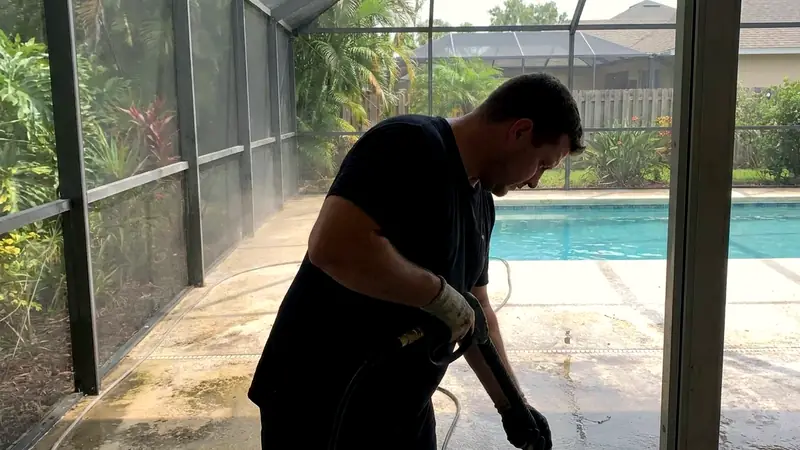
A full wash clears grime, loose sand and green growth. Leaf tannin stains and any oil or rust spots get pre-treated, and many lighten a lot. Some deep marks may not fully fade, so it helps to agree on what to expect before the work begins. On a Panama Park lot with old trees, the shaded strips usually need the most time and the closest look.
Reset the low spots and refill joints
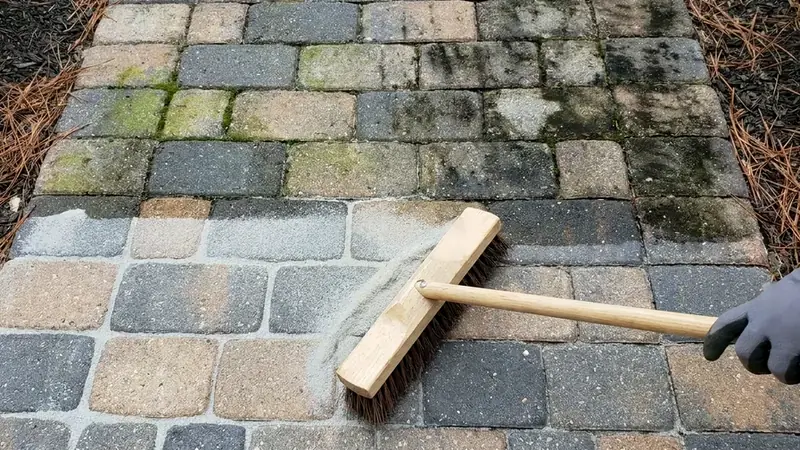
Low or lifted pavers get reset on a rebuilt base, starting with any sunken apron at the curb. Then fresh joint sand goes into every seam, since the wash pulled the old sand out. Silica is the joint sand one Jacksonville company names for this job. Sealing comes only after the joints are full, so the sand can lock in.
Let every section dry
Damp pavers or a coat laid on thick cause most white, cloudy sealer, so the surface must be fully dry. A shaded Panama Park patio may stay wet after the front walk has dried in the sun. The contractor checks each section, including the spots under trees, before sealing. One extra day of waiting beats a hazy finish that has to be stripped and done again.
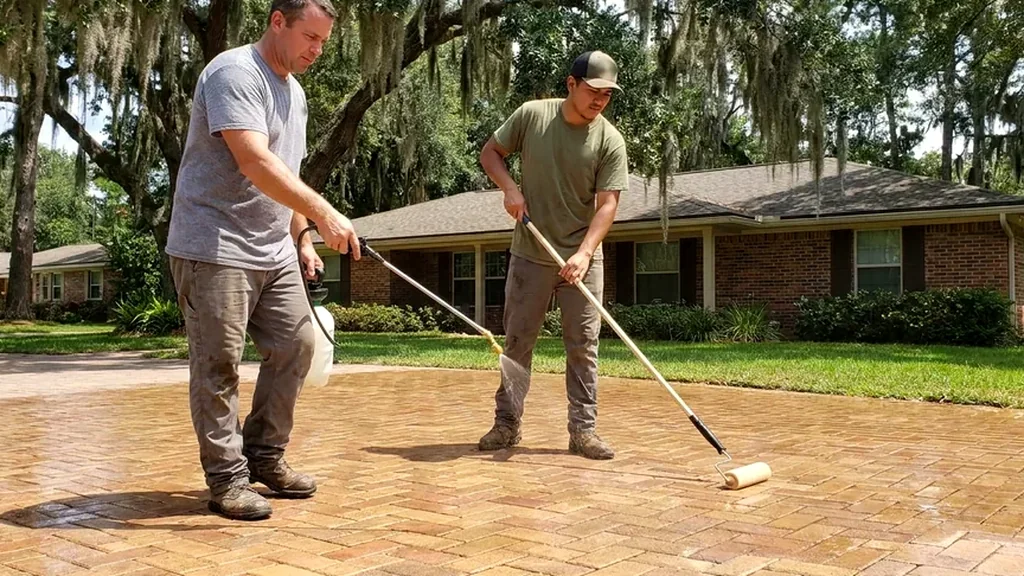
Spray, back-roll and cure
Pros typically spray the sealer and then back-roll it so it works into the joints without puddling. People can usually walk on a Panama Park walk within a few hours, while cars wait about a day. Plan where to park while your Panama Park driveway cures, since a long drive may hold your only off-street spot. Companies commonly put the next Panama Park coat two to five years out.
Complete paver services in Panama Park
A Panama Park sealing job runs in five steps: look, wash, repair, re-sand and seal. Washing clears leaf stains and grime and pulls the old joint sand out. Low spots get reset, fresh sand goes back in, and the sealer goes on last. To ask how long your walk or driveway would take, call (904) 467-7129.
Front walks across deep Panama Park yards have many joints and take daily foot traffic. Driveways take tires and may have a low apron where they meet the street. Patios under old trees collect leaves and stay shaded longer than the rest of the lot. Name each surface you want sealed when you ask for your free estimate, and the contractor can plan the order.
Sealers come in water-based and solvent-based types, and water-based cannot go over a solvent-based coat. On an older Panama Park home, the old coat is the first thing to sort out. After that, choose matte, semi-gloss or a wet look, keeping in mind that changing finishes later means stripping. Call (904) 467-7129 to talk through the choice.
Jacksonville's rain comes mostly from May to September, often in brief, heavy storms. A Panama Park patio under thick shade can stay damp after the sun has dried the street. The drier months can make booking easier, though any clear stretch with a dry day after it works. To set a date that suits you, ask for your free estimate.
Questions to ask before you hire
- Does the price cover the wash, the joint sand and fixing any sunken spots?
- How do you keep sealer off my garage door, my stucco and my car?
- Can you get the oil drips and rust marks out before you seal?
- How many coats of sealer do you put down?
- How do you measure the square footage for my quote?
- Do you sweep in polymeric sand or regular sand?
- Do you check the forecast for the day after the job, or only the day of?
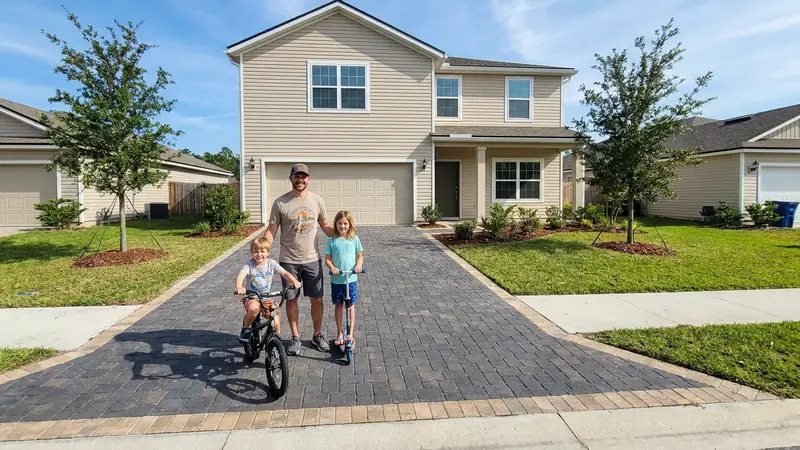
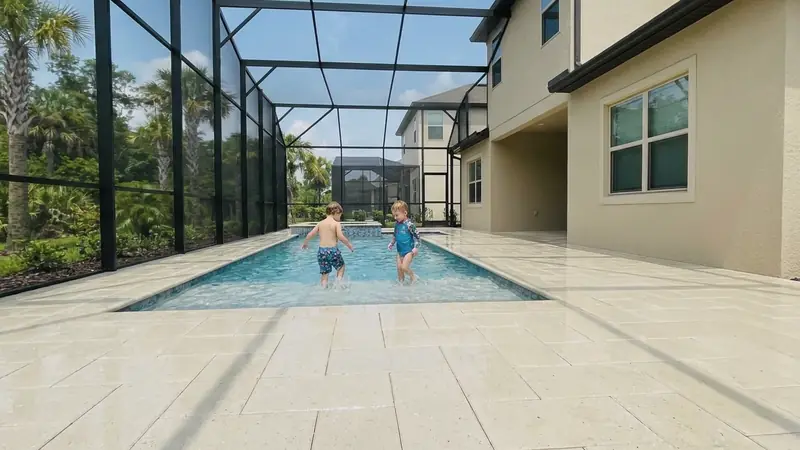
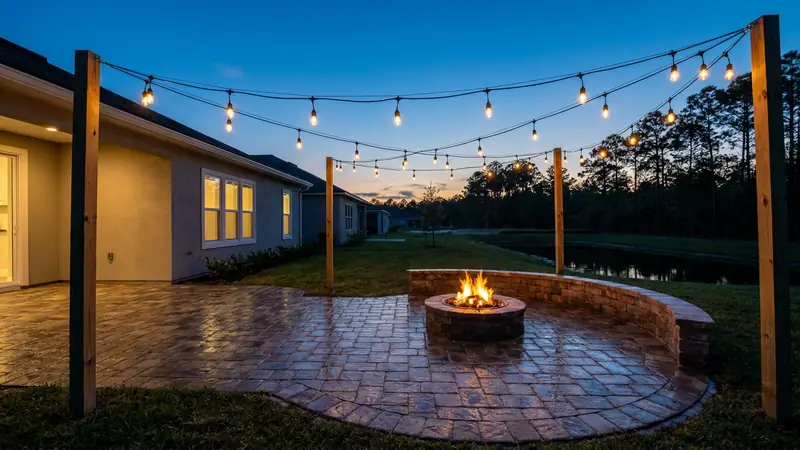
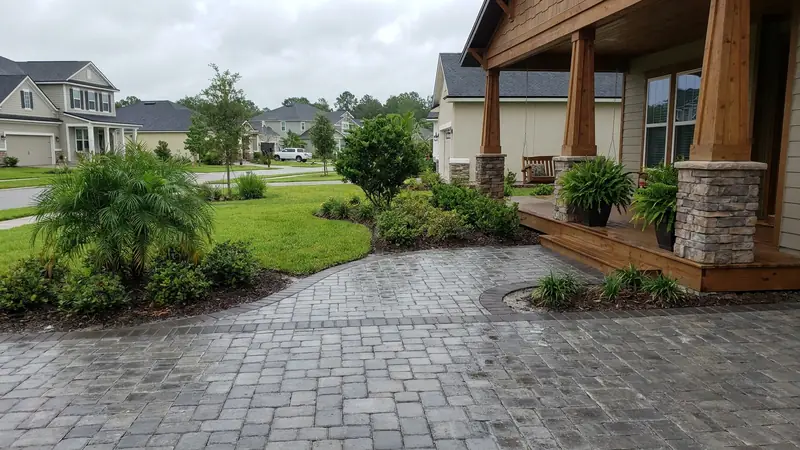
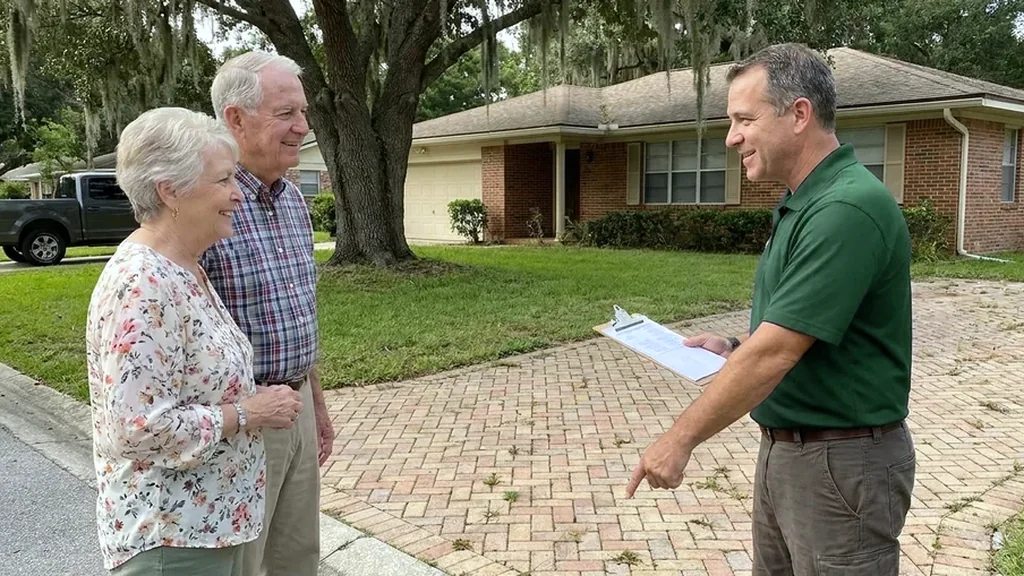
What do sealed pavers look like around Panama Park?
Why local matters in Panama Park
A contractor who works Panama Park knows the lots run deep and the trees run old. That means long walks, leaf stains and shaded strips that dry slowly, all on one property. Planning for all three at the first visit keeps the job on track. Call (904) 467-7129 to reach someone who works the blocks around North Main Street.
Weather sense matters here as well. Summer storms in Jacksonville are brief but heavy, and shaded Panama Park yards can hold moisture after the rain stops. Sealing over damp pavers is the usual cause of a cloudy coat. A contractor nearby can check your pavers that morning and move the date if needed, so ask for your free estimate and ask how that works.
Knowing the area helps on the day of the job. North Main Street runs through the heart of Panama Park, and the US Gypsum complex covers 700,000 square feet nearby. The Trout River bridge on Main Street is the main way in from the north. A contractor who drives these streets plans the trip and the parking, so ask for your free estimate and pick a time that fits.
Which Panama Park landmarks help a contractor find my home?
The Trout River bridge on Main Street, the city park on Buffalo Avenue and the Bert Maxwell Boat Ramp are the easy ones. The old Trout River bridge pier went up in 1930, and the swing bridge in use today was built in 1938. At Panama Park the Trout River is 0.6 miles wide, its widest point, so call (904) 467-7129 if you live near the water. The river runs 10 to 14 feet deep there.
Panama Park, the city park at 6912 Buffalo Avenue, has a splash pad and ball fields and got a major upgrade in 2003. Bert Maxwell Boat Ramp opened in 1961 just west of the Interstate 95 bridge. Florida Governor Francis P. Fleming was born here in 1841, and Panama Park Pharmacy has served North Main Street since 1928, so ask for your free estimate and name the spot closest to you.
Frequently Asked Questions
What does sealing pavers cost on average in Panama Park?
Expect a rate inside $1.75 to $3.25 per square foot, the range Northeast Florida companies commonly publish to clean, sand and seal. A long Panama Park walk adds square feet, so the total grows with the yard. Ask for the measured area on your quote so you can check it. Repairs and stripping are priced on top of that rate.
What's the average cost to seal a Panama Park front walk?
Multiply the walk's square footage by a rate in the $1.75 to $3.25 range. A walk across a 25-foot front yard costs less than a full driveway but more than a short path. Leaf stains and empty joints push the rate toward the top. A free estimate gives you the exact number for your walk.
What are the downsides of sealing pavers in Panama Park?
The main downsides are upkeep and timing. Sealer wears down, and a Panama Park walk commonly needs a new coat every two to five years, with wet looks scuffing first. It also needs a dry surface, which can push back the date on a shaded Panama Park lot. Changing finishes later also means stripping the old coat first.
Is sealing pavers a good idea in Panama Park, Florida?
Yes, for most homes it helps, because sealed joints hold their sand and resist weeds. Weed control in pavers starts with joint sand held in place by sealer, one industry article says. On a long Panama Park walk with many joints, that adds up. Sealed joints also hold up better through heavy summer storms.
How often do Panama Park pavers need a fresh coat?
The span companies commonly quote is two to five years per coat on pavers like those in Panama Park. Film-forming coats need redoing every 3 to 5 years and penetrating ones last 5 to 7, one Jacksonville company says. If water beads on your Panama Park pavers, the coat still works. If it soaks in and darkens the pavers, the coat is spent.
Will sealing keep weeds out of a long Panama Park walk?
It slows them a lot, as long as the joints are full first. Weeds root where joints have widened and yard soil has drifted in. The contractor refills every joint with fresh sand and then seals it, which holds that sand in place through summer storms on a Panama Park walk. Edges where pavers meet the lawn usually need the most sand.
Does a sunken apron need fixing before my Panama Park driveway is sealed?
Yes, a sunken apron or a dip where you park should be reset first. One Jacksonville company resets low areas on a rebuilt base, because sealing over them only preserves the problem. Point out the low spots at the first visit. The repair is usually priced apart from the sealing.
Can I change my Panama Park pavers from wet look to matte later?
You can, but changing finishes later means stripping the old coat. That adds cost compared with a plain reseal. It pays to pick the finish you want before the first coat goes on your Panama Park pavers. Ask to see the finish on a small area first if you are unsure.
Nearby areas we serve
Ready for a Free Estimate in Panama Park?
Call (904) 467-7129 and tell us about your pavers.
Free, no obligation